
Water damage can change everything in a matter of minutes. A pipe bursts in a Sterling basement. A storm rolls through Loudoun County and pushes water into a roof system. A water heater fails overnight in a Leesburg home. These situations leave property owners, managers, and insurance partners asking the same question: what happens next?
This guide walks you through how water damage restoration works in Ashburn, VA and across Northern Virginia. You’ll learn how damage starts, how professionals respond, and how to protect your property moving forward.
Understanding Water Damage in Ashburn and Loudoun County
Water damage in Northern Virginia often starts with everyday systems. Plumbing lines freeze during winter cold snaps in Ashburn. Heavy rains overwhelm drainage systems in areas like Chantilly or Centreville. Aging appliances fail without warning in older homes in Leesburg or Purcellville.
Each cause creates a different type of damage. A clean water supply line break behaves very differently than stormwater entering through a foundation. The longer water sits, the more it spreads through building materials like drywall, wood framing, and insulation. According to ANSI/IICRC S500 standards, water quickly migrates beyond visible areas, which means what you see is often only part of the problem .
That’s why early detection and a fast response matter so much in this region.
Categories of Water Damage and What They Mean for Your Property
Not all water is the same, and the category of water determines how the restoration process is handled.
Clean water, often from a broken supply line, starts with low contamination. Gray water, such as discharge from appliances, contains contaminants that can affect indoor air quality. Black water, typically from flooding or sewage backups, carries harmful microorganisms and requires controlled handling and removal procedures.
As outlined in industry standards, water can change categories over time. A clean water loss in an Ashburn office can turn into a more complex situation if it sits too long and interacts with building materials .
Understanding this shift helps explain why professional intervention is needed early.
Signs That Water Damage Is Already Spreading
Sometimes water damage is obvious. Other times, it hides behind walls or under flooring.
In homes across Great Falls or Aldie, you might notice discoloration on ceilings or walls. Flooring may begin to warp or feel soft underfoot. A faint, musty smell can develop, which signals moisture is still present and creating conditions for microbial growth.
Commercial property managers in Dulles often spot these issues during routine inspections. Subtle changes, like increased humidity or HVAC inefficiencies, often point to hidden moisture.
These early signs give you a window to act before damage spreads further.
What to Do Immediately After Water Damage
The first few steps you take will shape the entire outcome.
Shutting off the water source stops the problem from growing. If safe, turning off electricity reduces hazards. Moving valuables out of affected areas helps protect what matters most. Documenting damage with photos supports the insurance process and keeps everything organized.
From there, calling a professional team becomes the next move. A trained restoration team brings the right equipment and follows structured procedures based on industry standards.
Why Speed Changes the Outcome
Water damage does not wait. Within hours, moisture begins to absorb into porous materials. Within a day or two, conditions can support microbial growth.
Delays lead to more extensive damage, higher costs, and longer recovery timelines. Fast response limits how far water travels and reduces the amount of material that needs removal.
Rytech Restoration of Northern Virginia is built around rapid response. Our team operates 24/7 across Loudoun, Fairfax, and Clarke counties because timing directly affects results.
How Water Extraction and Drying Actually Works

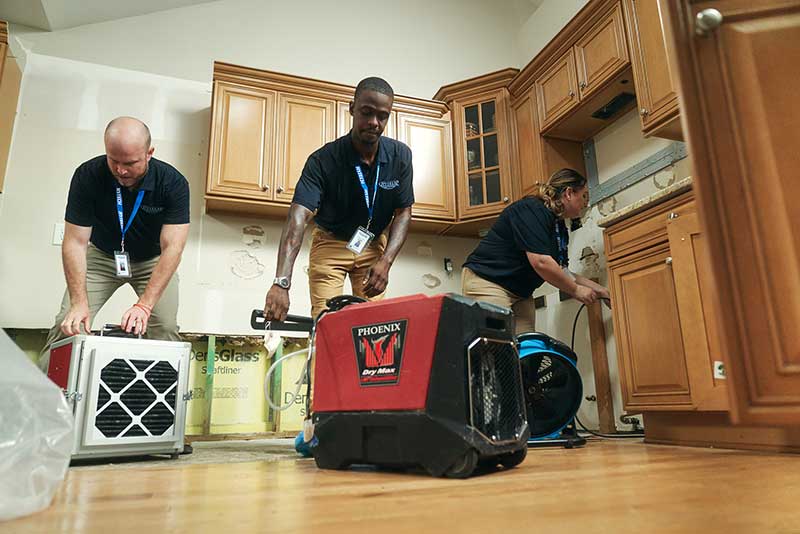
Once a team arrives on-site, the process begins with water removal. High-powered extraction equipment removes standing water quickly. From there, controlled drying starts.
Air movers create airflow across wet surfaces. Dehumidifiers pull moisture from the air. Monitoring tools track moisture levels inside walls and flooring, ensuring the structure dries evenly.
The science behind drying comes directly from IICRC S500 guidelines, which emphasize controlling temperature, humidity, and airflow to achieve proper drying conditions .
This is where experience makes a difference. Every structure in Ashburn or Sterling responds differently based on materials and layout.
Preventing Mold Growth During the Restoration Process
Moisture and time create the conditions for mold growth. That’s why restoration focuses heavily on moisture control and containment.
When signs of mold are present, professionals isolate affected areas to prevent cross-contamination. Specialized equipment filters the air and reduces airborne particles. Materials that cannot be restored are carefully removed.
The ANSI/IICRC S520 standard outlines how mold remediation should focus on containment, removal, and improving indoor conditions rather than surface-level cleaning .
This approach protects both the structure and the people inside it.
The Equipment Behind Professional Restoration
Restoration work relies on more than just fans and basic tools. Commercial-grade extractors remove large volumes of water quickly. Air scrubbers help improve indoor air quality. Moisture meters and infrared cameras detect hidden moisture that would otherwise go unnoticed.
Each piece of equipment plays a role in achieving a controlled, measurable drying process. Without these tools, hidden moisture remains, and problems return later.
Health and Safety During Water Damage Events
Water damage can introduce contaminants into indoor environments. Exposure risks vary depending on the type of water involved.
Professionals use protective equipment and follow strict safety protocols. In some cases, temporary relocation may be recommended, especially when dealing with contaminated water or significant moisture intrusion.
Following these procedures aligns with industry safety standards and ensures the environment is handled responsibly.
Navigating the Insurance Process With Confidence
Filing a claim after water damage can feel unfamiliar. Many property owners in Ashburn and surrounding areas have never gone through it before.
Documentation becomes key. Photos, moisture readings, and detailed reports help insurance adjusters understand the scope of damage. Restoration professionals assist by providing accurate data and clear communication.
Rytech works alongside insurance partners to streamline this process, helping property owners move forward with clarity and confidence.
What Affects the Cost of Water Damage Restoration
Costs vary based on several factors. The size of the affected area plays a major role. The category of water impacts how the job is handled. The amount of moisture absorbed into materials changes the scope of work.
Additional factors include whether mold remediation is needed and how long the damage has been present. A quick response often reduces overall costs by limiting damage spread.
DIY vs Professional Restoration in Northern Virginia
Some small water issues can be handled with basic cleanup. However, most situations involve hidden moisture that standard equipment cannot address.
DIY efforts often miss moisture inside walls or under flooring. Without proper drying, the issue returns. Professional restoration uses advanced equipment and follows structured processes that achieve consistent results.
That’s why property managers and insurance professionals across Northern Virginia rely on experienced teams for these situations.
Preventing Water Damage Before It Starts
Prevention starts with regular inspections. Roof systems, gutters, and plumbing should be checked throughout the year. Installing leak detection devices adds another layer of protection.
In areas like Loudoun County, proper drainage around foundations plays a major role in preventing water intrusion during heavy rains. Simple steps today reduce the risk of larger problems later.
What the Restoration Timeline Looks Like
Every project moves through phases. The first day focuses on water removal and assessment. The next few days involve drying and monitoring. As moisture levels stabilize, the structure moves toward full recovery.
Each step follows a defined process based on industry standards, ensuring the environment returns to a safe and stable condition.
Local Expertise That Makes a Difference
Restoration in Northern Virginia requires local knowledge. Homes in Ashburn often feature modern building materials and open layouts. Older properties in Leesburg or Waterford may include different construction methods and materials that respond differently to water.
Shah Wali, owner of Rytech Restoration of Northern Virginia, explains it clearly:
"In this area, we see everything from newer Ashburn homes with engineered materials to older structures in Loudoun County with traditional wood framing. Each reacts differently to water. Our experience working across these building types allows us to tailor the drying process and prevent long-term issues that others might miss."
Shah Wali, Owner, Rytech Restoration of Northern Virginia
That level of insight helps guide every project from start to finish.
Get Back to Normal Faster With Local Restoration Experts

When water damage hits, having the right team makes all the difference. Whether you’re dealing with a burst pipe in Ashburn, storm damage in Chantilly, or a commercial loss in Dulles, working with a trusted local expert ensures the process moves forward smoothly.
Learn more about our water damage restoration services and how we help property owners across Northern Virginia recover quickly and safely.
FAQs: Answering Your Pressing Water Damage Restoration Questions
At Rytech Northern Virginia, we understand how stressful water damage can be. That’s why we’ve created a helpful FAQ section to walk you through the entire restoration process. From what to expect during each phase to how we handle cleanup and communication, our answers are designed to provide clarity and confidence—so you feel supported every step of the way as we restore your home or business.


