
What Causes Mold Growth in Northern Virginia
Ashburn and the surrounding Loudoun County area experience frequent humidity swings, heavy rainfall, and seasonal temperature changes that make buildings prone to moisture problems. Mold thrives wherever moisture and organic material meet—behind walls, under flooring, and in poorly ventilated spaces.
Common moisture sources include leaky roofs, window condensation, plumbing failures, and water intrusion from flooding or storm runoff. In basements and crawlspaces across Sterling, Leesburg, and Great Falls, mold growth often begins unnoticed due to poor ventilation. Detecting and addressing moisture early prevents larger, more expensive contamination that could affect both property and indoor air quality.
Health Risks Associated With Mold Exposure
Mold spores can impact indoor air quality and lead to allergic reactions, headaches, or skin irritation. Extended exposure may aggravate respiratory issues and complicate asthma. Children, older adults, and individuals with weakened immune systems are most at risk.
In multi-family units or office buildings, poor HVAC maintenance can spread spores throughout shared spaces. Professional mold remediation reduces airborne spore levels and restores safe breathing conditions, an essential step for maintaining healthy indoor environments across Northern Virginia.
Recognizing the Signs of a Mold Problem
Property owners in Ashburn often first notice a musty odor—especially in basements, bathrooms, or near HVAC closets. Stained walls, peeling paint, warped flooring, or increased allergy symptoms inside the building are also signs of hidden mold growth.
Because many structures in Northern Virginia feature energy-efficient, tightly sealed construction, trapped moisture can accelerate mold development behind drywall or insulation. Regular inspections and monitoring humidity levels help prevent these hidden infestations from spreading.
Mold Inspection and Testing Procedures
Mold inspections are more than visual checks—they involve specialized detection tools that locate moisture and confirm contamination levels. Certified professionals use moisture meters, thermal imaging cameras, and air sampling devices to identify mold activity behind walls, ceilings, or flooring.
Rytech Restoration of Northern Virginia follows the ANSI/IICRC S520 Standard for Professional Mold Remediation, ensuring every professional mold remediation inspection in Ashburn produces accurate data to guide the remediation plan. This process also provides detailed documentation, which supports insurance claims and property management requirements.
The Step-by-Step Mold Remediation Process
Every mold remediation project requires structure and precision. Rytech’s certified team follows a proven process to restore safety and cleanliness:
- Inspection and Assessment: Identify mold type, location, and moisture source.
- Containment: Isolate the affected area with barriers and negative air pressure systems.
- Air Filtration: Use HEPA-filtered air scrubbers to remove spores from the air.
- Mold Removal: Safely remove contaminated materials that can’t be restored.
- Cleaning and Sanitization: Clean and treat remaining surfaces with industry-approved techniques.
- Drying and Restoration: Fully dry the structure to prevent mold regrowth.
Following this systematic approach ensures lasting results that meet IICRC S520 standards for professional remediation.
Containment and Air Filtration Techniques

Containment prevents cross-contamination between mold-affected and unaffected spaces. Using heavy plastic sheeting and negative air pressure systems, remediation teams isolate work zones while HEPA-filtered scrubbers capture airborne spores.
This method is especially effective in large commercial or multi-unit properties in Ashburn, where ventilation systems could otherwise distribute spores throughout the building. The result is a controlled environment where cleanup and removal can proceed safely and efficiently.
Mold Removal Methods and Equipment
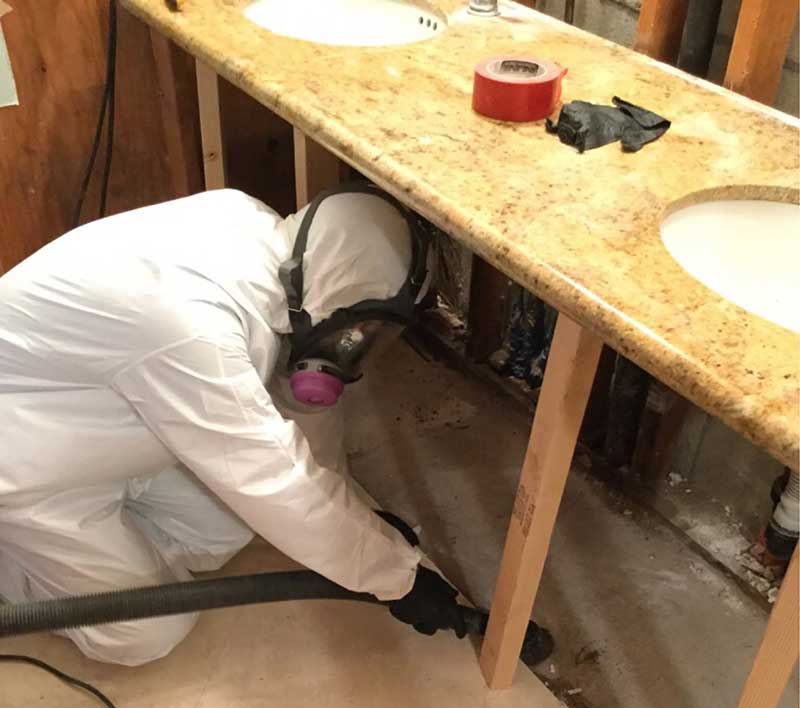
Professional remediation requires tools designed for precision. Rytech Restoration uses HEPA vacuums, industrial-grade cleaners, wire brushes, and scrapers to remove mold contamination from affected surfaces. When necessary, contaminated materials like drywall or insulation are carefully removed and disposed of according to local Loudoun County guidelines.
This process focuses on preserving what can be restored and safely removing what cannot—limiting unnecessary demolition and keeping projects cost-efficient for property owners and insurance partners.
Drying and Dehumidification
Proper drying ensures that mold doesn’t return. Rytech employs professional-grade dehumidifiers and air movers to reduce moisture levels to a safe range, as defined by ANSI/IICRC S500 water damage restoration standards. Continuous monitoring confirms that all affected materials reach their equilibrium moisture content.
Given Northern Virginia’s humid summers and wet springs, this final step is key to maintaining a mold-free indoor environment long after remediation.
Preventing Future Mold Growth
The best prevention strategy starts with eliminating moisture sources. Fixing leaks, improving attic and bathroom ventilation, and keeping humidity below 60% all help reduce mold potential. Property owners can also benefit from regular HVAC maintenance and annual moisture inspections, especially in basements or crawlspaces.
Proactive monitoring after heavy storms or flooding events in Loudoun and Fairfax Counties can prevent minor issues from becoming major remediation projects later.
When to Hire Certified Mold Remediation Professionals
Professional mold remediation is necessary when contamination affects structural materials, HVAC systems, or large surface areas. Certified specialists bring both the expertise and equipment required to ensure safe results and full documentation.
Hire a professional when:
- Mold covers more than 10 square feet.
- Mold returns after repeated cleaning.
- Contamination affects air ducts or insulation.
- Occupants experience health symptoms linked to indoor air.
Rytech Restoration of Northern Virginia’s IICRC-certified team follows established safety standards, ensuring accurate testing, containment, and restoration that meets local regulatory compliance and insurance documentation needs.
Mold Remediation Costs
Remediation costs vary based on contamination level, property size, and accessibility. In residential homes, small-scale remediation may be localized, while commercial buildings or schools require advanced containment and clearance testing. Rytech provides transparent estimates and detailed documentation, ensuring clients and insurers understand every phase of the process.
Insurance Coverage for Mold Damage
Mold remediation may be covered under insurance policies if the damage results from a covered water event, such as a plumbing failure or storm-related leak. Documenting the incident promptly helps streamline claims. Rytech assists property owners, agents, and adjusters with detailed reports and photo documentation to support claim accuracy and ensure compliance with insurance requirements.
Post-Remediation Verification and Clearance Testing
After remediation, third-party testing confirms that the property has been restored to Condition 1—a state of normal fungal ecology as defined by the ANSI/IICRC S520 standard. Surface and air sampling verify that spore levels have returned to safe ranges. Rytech provides full project documentation and verification reports, giving property owners and insurance carriers confidence that remediation was successfully completed.
DIY vs. Professional Mold Remediation
DIY cleaning may address small surface issues, but large-scale or hidden mold problems require professional handling. Without proper containment, air filtration, and drying, spores can spread and mold can reappear. Professional remediation ensures complete containment, safe disposal, and environmental compliance—providing lasting results for both residential and commercial properties.
Legal and Regulatory Compliance in Northern Virginia
Rytech Restoration of Northern Virginia operates under ANSI/IICRC S520 and S500 standards and adheres to OSHA and EPA safety regulations. Compliance ensures every project meets state and local requirements for health, safety, and documentation. For property managers and insurance professionals, this level of accountability helps protect liability and maintain regulatory integrity.
A Local Expert’s Perspective
“Ashburn’s mix of modern construction and older homes creates unique moisture challenges,” says Shah Wali, owner of Rytech Restoration of Northern Virginia. “We’ve seen how quickly a small leak or condensation issue can escalate into widespread mold damage. Our IICRC-certified team uses proven drying science and containment strategies to restore safety, protect property value, and help clients navigate the insurance process with confidence.”
Shah Wali, Owner, Rytech Restoration of Northern Virginia
Get Inspected to Stay Protected
If you suspect mold in your home, office, or managed property, schedule an inspection with Rytech Restoration of Northern Virginia. Our certified specialists will locate the source, contain the issue, and restore safe indoor air conditions using proven IICRC standards.
FAQs About The Home Mold Remediation Process
If you’re looking for dependable mold remediation services in Loudoun County, VA, you probably have questions about the process, the range of services we offer, and how to handle insurance claims. Here, we address common concerns and explain what you can expect when you choose Rytech Restoration of Northern Virginia for your mold remediation needs.


