
When water damage strikes, every second counts.
In Northern Virginia, water damage can happen suddenly — whether it’s from a frozen pipe bursting in January, a basement leak after a summer thunderstorm, or an overflowing appliance that catches you off guard.
When it does, most homeowners or property managers immediately start asking:
“Can I clean this up myself, or should I call a professional?”
"At Rytech Restoration of Northern Virginia, we’ve seen both outcomes. Some DIY cleanups look fine at first, only to reveal hidden mold or structural damage weeks later. Others turn into emergencies when unseen moisture spreads through walls and flooring."
Shah Wali, Owner, Rytech Restoration of Northern Virginia
The truth is, water damage restoration isn’t just about drying what you can see — it’s about removing water completely, even from places you can’t.
Here’s what you need to know about DIY water cleanup vs. professional water damage restoration in Ashburn — and how to protect your home or business the right way.
Understanding Water Damage: The Hidden Danger Beneath the Surface
Water is one of the most destructive elements that can affect a property. It moves fast, seeps into every crack and crevice, and can compromise building materials in a matter of hours.
That’s why professional restorers use the ANSI/IICRC S500 Standard for Professional Water Damage Restoration — the industry’s most trusted guide for proper drying, safety, and documentation.
The Three Categories of Water Damage
Each type of water loss requires a different approach to ensure safety and proper cleanup:
- Category 1 – Clean Water: From a sanitary source, like a burst supply line or appliance leak.
- Category 2 – Gray Water: Contains contaminants, such as water from a dishwasher, washing machine, or sump backup.
- Category 3 – Black Water: Heavily contaminated, such as floodwater, sewage, or storm runoff.
In Northern Virginia, where sump pump failures, heavy rain, and flash floods are common, water damage often falls into Category 2 or 3 — meaning professional restoration is essential for health and safety.
The DIY Route: What Most Property Owners Try
When water damage occurs, quick action is critical — and many people immediately grab towels, fans, or a wet/dry vac to start cleaning up. That’s the right instinct — but DIY efforts can only go so far.
Typical DIY Cleanup Steps
- Toweling or mopping up standing water.
- Setting up fans or space heaters.
- Opening windows to increase airflow.
- Using household bleach or cleaners to “disinfect.”
These methods might address visible water, but they won’t reach the hidden moisture trapped inside drywall, under flooring, or behind cabinets.
Why DIY Cleanup Often Fails
- Hidden Moisture: Water moves quickly and seeps into materials that seem dry on the surface.
- Mold Growth: Mold can begin forming within 24–48 hours, especially in humid climates like Ashburn and Fairfax County.
- Insufficient Equipment: Home dehumidifiers and fans can’t replicate industrial drying power.
- Health Hazards: Contaminated water can contain bacteria and allergens.
- Insurance Issues: DIY cleanup rarely includes the professional documentation insurance companies require.
Professional Water Damage Restoration: The Rytech Difference

At Rytech Restoration of Northern Virginia, we take a science-based, certified approach to water damage restoration. Our team doesn’t just dry what’s visible — we locate, measure, and verify every affected area until your property is truly dry and safe.
Certified Experts Who Follow Industry Standards
Our technicians are IICRC-certified and trained to follow the S500 Standard of Care, ensuring safe, effective, and fully documented drying procedures.
Advanced Detection and Drying Equipment
We use thermal imaging, hygrometers, and moisture meters to locate hidden water inside walls, floors, and ceilings.
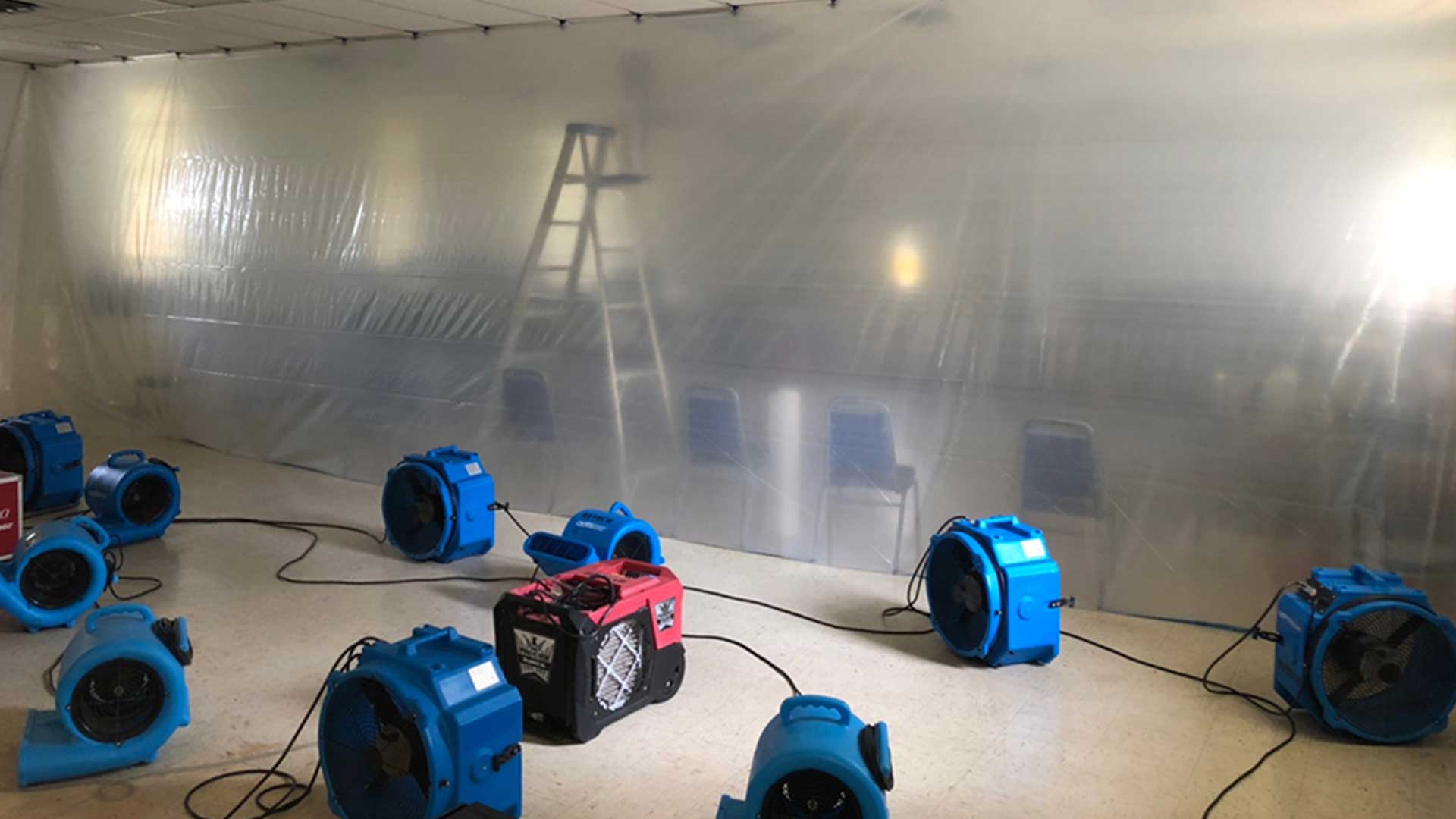
Then, using industrial air movers and dehumidifiers, we create precise drying conditions using psychrometry — the science of controlling air movement, temperature, and humidity.
Safety and Health Focus
We use EPA-approved antimicrobial treatments to help reduce microbial growth and restore a safe indoor environment.
Insurance-Friendly Documentation
We provide detailed drying logs, moisture readings, and progress reports that make insurance claims simple and transparent.
DIY vs. Professional: What’s the Real Cost?
| Factor | DIY Cleanup | Professional Restoration (Rytech) |
|---|---|---|
| Upfront Cost | Lower | Moderate |
| Hidden Damage Risk | High | Low |
| Drying Accuracy | Unverified | Scientifically measured |
| Mold Prevention | Not guaranteed | Controlled and verified |
| Insurance Documentation | None | Fully compliant |
| Long-Term Cost | High (secondary damage) | Lower (preventative approach) |
DIY might seem cheaper initially, but it often costs more in the long run once secondary damage appears — from mold remediation to flooring and drywall repairs.
When DIY Might Be Okay — and When to Call Rytech
DIY Might Work If:
- The water is from a clean source and limited to a small, hard surface area (like tile).
- You can completely clean and dry it within 24 hours.
Call Rytech If:
- The water came from a leak, appliance failure, or storm.
- It soaked into carpet, drywall, cabinets, or subflooring.
- You notice musty odors or stains.
- More than 12 hours have passed since the incident.
- You manage rental or commercial property and need verified documentation.
The Rytech Water Damage Restoration Process
- 24/7 Emergency Response (Within 4 Hours) – Our local team arrives fast to minimize damage.
- Inspection & Moisture Mapping – Identify the water source, damage class, and full extent of impact.
- Water Extraction – Remove standing and trapped water using specialized equipment.
- Drying & Dehumidification – Control airflow and humidity with professional systems.
- Cleaning & Sanitization – Apply antimicrobial and deodorizing treatments for health and safety.
- Monitoring & Documentation – Track daily drying progress for accuracy and transparency.
- Final Verification – Confirm dryness meets IICRC standards before completion.
Why Northern Virginia Properties Need Professional Help
Water damage in our region presents unique challenges:
- Frequent thunderstorms and flash floods cause basement and crawl space flooding.
- High humidity in summer slows natural drying.
- Cold winters lead to frozen and burst pipes.
- Older homes and townhouses trap moisture inside walls and insulation.
- Commercial and multifamily buildings require certified documentation for compliance.
Take the Next Step: Protect Your Property Today
If you’ve experienced water damage in Ashburn, Leesburg, Reston, Fairfax, or anywhere in Northern Virginia, don’t wait — every hour matters.
Rytech Restoration of Northern Virginia provides 24/7 emergency response, certified technicians, and science-based drying methods to restore your property quickly, safely, and completely.
FAQs: Answering Your Pressing Water Damage Restoration Questions
At Rytech Northern Virginia, we understand how stressful water damage can be. That’s why we’ve created a helpful FAQ section to walk you through the entire restoration process. From what to expect during each phase to how we handle cleanup and communication, our answers are designed to provide clarity and confidence—so you feel supported every step of the way as we restore your home or business.


